10 Common Lennox HVAC Problems and How to Troubleshoot Them

Lennox HVAC systems commonly experience problems such as insufficient cooling, furnace ignition failure, weak airflow, frozen evaporator coils, thermostat malfunctions, and electrical issues. These problems often result from dirty filters, worn components, refrigerant leaks, or faulty controls. Troubleshooting involves checking thermostat settings, inspecting airflow, examining system error codes, and identifying defective components.
Understanding these common Lennox HVAC problems helps homeowners and facility managers identify performance issues and determine when professional repairs are necessary. This guide explains ten frequent heating and cooling issues, their causes, and troubleshooting methods, including when compatible Lennox HVAC parts, such as blower motors, igniters, control boards, and fan motors, may need inspection or replacement.
Lennox HVAC System Not Turning On
A Lennox HVAC system that won't start might face electrical issues, incorrect thermostat settings, or faulty controls, causing both indoor and outdoor units to remain inactive without power or demand recognition.
How to Troubleshoot:
Check the thermostat settings and confirm that the selected heating or cooling mode matches the required operation.
Replace the thermostat batteries if the display is blank or unresponsive.
Inspect the electrical panel for a tripped breaker. Reset it only once if there are no visible signs of damage.
Ensure that the HVAC unit's access panels are properly secured.
If the system remains inactive, have a technician inspect the transformer, wiring, and control board.
Repeated breaker trips or burning odors indicate an electrical problem that requires professional attention.
Lennox Air Conditioner Not Cooling Properly
A Lennox air conditioner that runs continuously without adequately cooling the space may have restricted airflow, dirty coils, insufficient refrigerant, or a malfunctioning outdoor unit. These problems prevent the system from transferring heat effectively.
How to Troubleshoot:
Check the thermostat and confirm that the system is set to cooling mode.
Inspect the air filter and replace it if clogged with dust and debris.
Check the supply and return vents for obstructions that restrict airflow.
Inspect the outdoor condenser unit for leaves, dirt, or debris blocking airflow. Clear loose debris around the unit without opening its electrical compartment.
If cooling remains insufficient, have an HVAC technician inspect refrigerant levels, coil conditions, and compressor operation.
A refrigerant leak requires professional detection and repair rather than simply adding more refrigerant.
Lennox Furnace Not Producing Heat
A Lennox furnace not producing warm air might have ignition issues, gas supply problems, a dirty flame sensor, or faulty components, preventing burner ignition or causing shutdowns during operation.
How to Troubleshoot:
Check the thermostat and ensure it is set to heating mode with the desired temperature above the room temperature.
Inspect the furnace air filter and replace it if dirty.
Check whether the furnace displays an error code. Refer to the equipment manual to identify the corresponding fault.
Ensure that accessible outdoor intake and exhaust openings are not blocked by leaves, debris, or other obstructions.
If the furnace still fails to produce heat, have a qualified technician inspect the igniter, flame sensor, gas valve, and pressure switch.
Gas-related problems and ignition component replacements should always be handled by qualified HVAC professionals.
Lennox HVAC System Experiencing Weak Airflow
Insufficient airflow in a Lennox HVAC system diminishes heating and cooling efficiency, leading to temperature inconsistencies. This issue often arises when air is obstructed in the filter, blower, or ducts.
How to Troubleshoot:
Inspect the air filter and replace it if accumulated dust restricts airflow.
Check all supply and return vents to ensure furniture, equipment, or other objects are not blocking them.
Examine accessible ductwork for visible damage, disconnected sections, or air leaks.
Observe whether the blower starts and operates during a heating or cooling cycle.
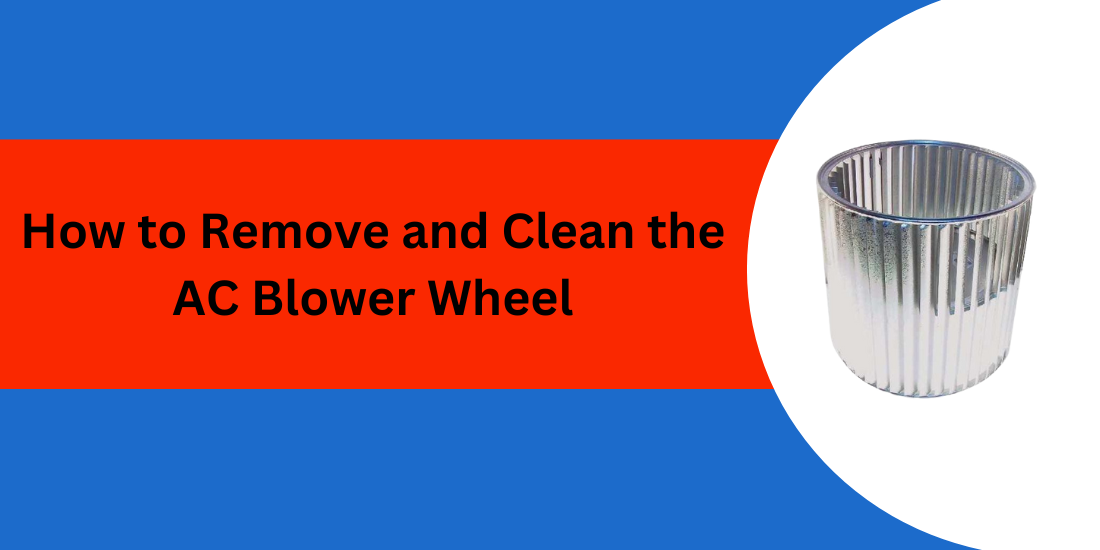
If airflow remains weak, ask a technician to inspect the blower motor, capacitor (where applicable), blower wheel, and duct system.
Replacing a clogged filter and maintaining unobstructed vents can help restore normal airflow and reduce unnecessary strain on the blower assembly.
Lennox Air Conditioner Freezing Up
Ice buildup on a Lennox air conditioner's evaporator coil or refrigerant lines typically signals airflow issues or refrigerant problems, as inadequate warm air can cause freezing temperatures and ice formation.
How to Troubleshoot:
Turn off the cooling mode to prevent further ice accumulation.
Allow the ice to melt naturally. Do not chip away at it or use sharp tools.
Inspect and replace the air filter if it is dirty.
Check that supply and return vents remain unobstructed.
Once the coil has completely thawed, observe whether normal airflow returns.
If freezing happens again, have a technician inspect the evaporator coil, blower assembly, and refrigerant circuit.
Repeated freezing should not be ignored because continued operation can damage the compressor.
Lennox HVAC System Leaking Water
Water pooling near a Lennox indoor unit or furnace could signal a clogged drain, damaged pan, disconnected line, or faulty pump, as the evaporator coil removes moisture during cooling.
How to Troubleshoot:
Turn off the HVAC system if water is accumulating near electrical components.
Check the area around the indoor unit for standing water or visible moisture.
Inspect accessible condensate drain tubing for kinks, disconnections, or visible blockages.
Check whether the condensate pump operates when required.
Have a technician clear internal drain obstructions, inspect the drain pan, and replace damaged components.
A blocked drain can also activate a safety float switch, preventing the system from operating until the drainage problem is corrected.
Lennox Thermostat Not Responding Correctly
A faulty Lennox thermostat may hinder the HVAC system's ability to maintain the desired temperature or respond to commands, potentially due to dead batteries, improper settings, wiring issues, or communication errors.
How to Troubleshoot:
Check the thermostat display for warning messages, error codes, or a blank screen.
Replace the batteries if the thermostat uses them.
Verify the heating and cooling settings and adjust the temperature accordingly.
Review programmed schedules to ensure they are not overriding manual settings.
If the thermostat continues to display incorrect readings or fails to communicate with the equipment, have a technician inspect the wiring, sensors, and control connections.
For communicating Lennox systems, compatibility between the thermostat and connected equipment is particularly important.
Lennox HVAC Outdoor Fan Not Running
The outdoor fan expels heat from the condenser during cooling. If it stops while the air conditioner operates, heat transfer is hindered, potentially causing the system to shut down to safeguard the compressor.
How to Troubleshoot:
Check the thermostat to confirm that cooling is requested.
Observe the outdoor unit from a safe distance to determine whether the fan is operating.
Inspect the surrounding area for leaves or debris obstructing the unit's airflow.
Turn off the system if the compressor is running while the fan remains stationary.
Have a technician test the fan motor, capacitor, contactor, and electrical connections.
Never attempt to push the fan blades manually or access energized electrical components. Motor and capacitor testing requires appropriate tools and electrical safety precautions.
Lennox Furnace Frequently Turning On and Off
Frequent furnace cycling, or short cycling, happens when a Lennox furnace repeatedly starts and stops, leading to higher energy use, inconsistent indoor temperatures, and added strain on ignition and blower parts.
How to Troubleshoot:
Inspect the furnace filter and replace it if clogged.
Check the supply and return vents for obstructions.
Verify that the thermostat is positioned away from direct sunlight, heat-producing appliances, and other sources of inaccurate temperature readings.
Check the furnace display for diagnostic codes indicating overheating or safety lockout.
If short cycling continues, have a technician inspect the blower assembly, high-limit switch, thermostat, and system airflow.
A high-limit switch repeatedly shutting down the burners may indicate an underlying airflow or overheating problem that needs correction.
Lennox HVAC System Making Unusual Noises
Unusual sounds from a Lennox HVAC system can indicate loose components, worn motor bearings, airflow restrictions, or mechanical failures. Identifying the type of noise helps narrow down the affected component.
How to Troubleshoot:
Identify whether the noise originates from the indoor furnace, air handler, ductwork, or outdoor condenser.
Check accessible exterior panels for loose screws or improperly secured covers.
Inspect visible ductwork for loose sections or vibrating connections.
Listen for recurring grinding, buzzing, or banging during startup and operation.
Turn off the system if the noise is severe or accompanied by burning odors, and arrange a professional inspection.
Do not open electrical compartments or attempt to lubricate sealed motor bearings without confirming the component's service requirements.
Conclusion: Keeping Your Lennox HVAC System Running Smoothly
Common Lennox HVAC problems, such as ignition failures, restricted airflow, refrigerant leaks, and thermostat malfunctions, can affect heating and cooling performance. Regular maintenance, timely troubleshooting, and early identification of defective components help prevent recurring breakdowns and unnecessary equipment downtime. When replacement is necessary, choose compatible Lennox HVAC parts, including furnace components, blower motors, igniters, control boards, and condenser fan motors, based on the equipment model and specifications. Proper component selection helps maintain efficient operation and consistent indoor comfort.
PartsHnC offers HVAC replacement parts for heating, cooling, and ventilation systems, with competitive prices and fast shipping to help minimize equipment downtime.
FAQs
1. What are the most common problems with Lennox HVAC systems?
Common problems include insufficient cooling, furnace ignition failures, weak airflow, frozen evaporator coils, condensate leaks, thermostat malfunctions, and electrical issues.
2. Why does my Lennox HVAC system keep shutting off?
A dirty air filter, overheating, faulty thermostat, restricted airflow, or an activated safety switch can cause a Lennox system to shut down unexpectedly.
3. How often should Lennox HVAC filters be replaced?
Check filters monthly and replace them according to their type, usage, and manufacturer's recommendations. Many standard disposable filters require replacement every one to three months.


Comments
Post a Comment