Which Trane Heater Parts Commonly Fail? 7 Components to Check and Replace

When a Trane furnace stops heating, the problem is often linked to a failed electrical, ignition, airflow, or safety component rather than the entire heating system. Common Trane heater parts that require inspection include the igniter, flame sensor, pressure switch, limit switch, inducer motor, blower motor, and control board.
A Trane gas furnace depends on these components working in sequence: the thermostat calls for heat, the inducer establishes proper draft, the ignition system starts the burner, the flame sensor confirms combustion, and the blower distributes heated air. Trane documentation identifies components such as the flame sensor, hot-surface igniter, pressure switches, high-limit switch, inducer, blower motor, gas valve, and integrated control as key parts of the furnace system.
This guide explains which Trane furnace parts commonly fail, what symptoms each failure can cause, and when replacement is more appropriate than continued troubleshooting.
What Are the Most Common Trane Heater Parts to Fail?
The seven components most worth checking when a Trane furnace develops heating problems are
Hot-surface igniter
Flame sensor
Pressure switch
High-limit switch
Inducer motor
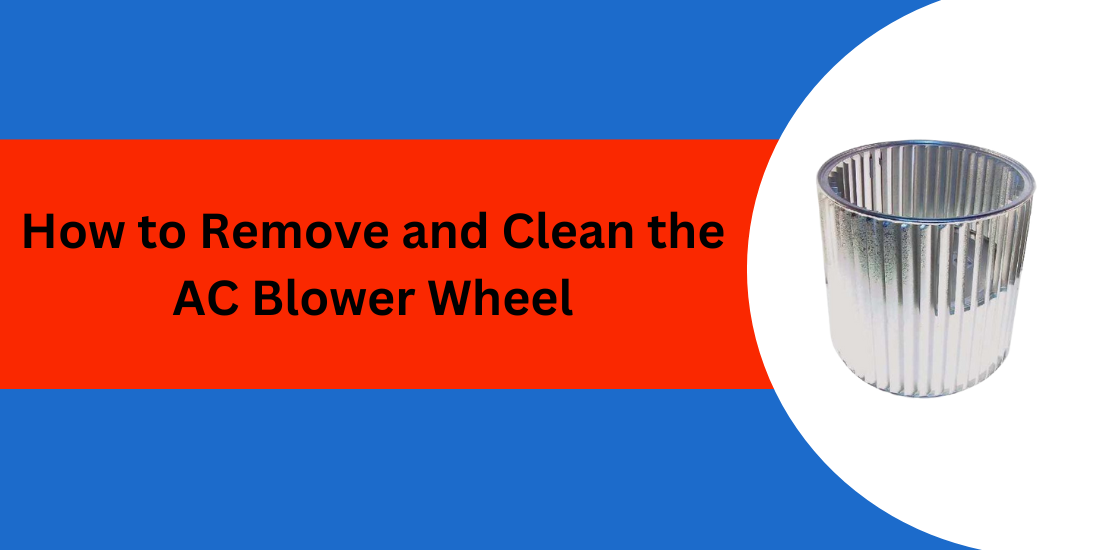
Blower motor
Furnace control board
The symptoms can overlap. For example, a furnace that fails to ignite could have a bad igniter, dirty flame sensor, pressure-switch problem, gas-supply issue, or control-board fault. Trane specifically lists faulty igniters, flame-sensor problems, airflow issues, gas or valve problems, and other system faults among potential causes of a furnace that does not turn on.
Before replacing a component, an HVAC technician should identify the actual failure rather than replacing parts based only on symptoms.
7 Common Trane Heater Parts to Check for Furnace Problems
Before replacing an entire Trane furnace, inspect the Trane heater parts most closely linked to ignition, flame detection, airflow, safety, and electrical control. The following seven components are common starting points when a Trane furnace fails to heat properly.
1. Hot-Surface Igniter
The hot-surface igniter is one of the first Trane furnace parts to check when the furnace starts its heating sequence but the burners fail to ignite. It uses electrical resistance to become hot enough to ignite the burner gas.
Signs of an igniter problem:
Burners do not light during startup.
The igniter does not glow.
The furnace repeatedly attempts ignition.
The system enters ignition lockout.
The inducer runs, but combustion does not begin.
Igniters can become brittle or fail electrically with age. A technician should test the igniter and its circuit before replacement. Always match the replacement to the exact Trane furnace model and electrical specifications, rather than selecting a visually similar part.
2. Flame Sensor
The flame sensor confirms that the burner has established a flame. If the control system cannot detect the expected flame signal, it can shut off the gas as a safety response.
A typical symptom is a furnace that ignites but shuts down within a few seconds.
Check for:
Burners light and quickly turn off.
Repeated ignition attempts.
Premature heating-cycle shutdown.
Ignition lockout.
Flame-sensing diagnostic faults.
A dirty flame sensor can produce symptoms similar to a failed sensor. Therefore, do not replace it automatically. Cleaning, wiring inspection, and electrical testing should be considered before installing a new Trane flame sensor.
3. Pressure Switch
The furnace pressure switch verifies that the inducer and venting system are creating the required draft before the furnace proceeds with ignition.
Common symptoms include:
The inducer runs, but the burners do not ignite.
The furnace repeatedly attempts to start.
Ignition stops before burner operation.
Pressure or venting fault codes appear.
The furnace operates intermittently.
A pressure-switch fault does not always mean the switch itself has failed. Blocked venting, condensate drainage problems, or a malfunctioning inducer can create similar symptoms. Never bypass a pressure switch, because it is an important furnace safety component.
4. High-Limit Switch
The high-limit switch protects the furnace against excessive temperatures by interrupting burner operation when temperatures become unsafe.
Signs of a limit-switch problem include:
Frequent furnace short-cycling.
Burners shut off before reaching the thermostat setting.
Blower continues after burner shutdown.
The furnace initially produces heat but later blows cool air.
Repeated overheating faults.
A limit switch can open because of restricted airflow, a dirty filter, blocked registers, or blower problems. Consequently, replacing the switch without correcting the overheating cause may lead to another failure.
5. Inducer Motor
The inducer motor establishes the required draft and helps move combustion gases through the furnace venting system before ignition.
Watch for:
Humming, grinding, or unusual startup noises.
Inducer fails to operate.
Furnace stops before ignition.
Pressure-switch faults.
Repeated startup lockouts.
Because inducer assemblies can differ by furnace model, verify the Trane furnace model number, existing part number, motor specifications, and mounting configuration before ordering a replacement.
6. Blower Motor
The blower motor circulates heated air through the ductwork. When it fails, the furnace may generate heat but deliver little or no warm air to the rooms.
Common symptoms include:
Weak or absent airflow from registers.
Blower fails to start.
Grinding, buzzing, or squealing noises.
The furnace overheats and shuts down.
Repeated high-limit operation.
A dirty filter or restricted return airflow can also contribute to blower and overheating problems. Check basic airflow conditions before assuming the motor itself has failed. Electrical testing and motor replacement should generally be performed by a qualified HVAC professional.
7. Furnace Control Board
The furnace control board coordinates critical electrical and safety operations, including ignition, flame sensing, inducer and blower operation, safety switches, and diagnostic functions.
Signs of a control-board problem include:
Multiple furnace functions operate incorrectly.
Ignition stops unexpectedly.
Persistent or unusual diagnostic codes appear.
Blower or inducer operation is inconsistent.
Individual components test correctly, but their circuits do not operate properly.
A control board should be diagnosed systematically rather than blamed for every furnace problem. Before ordering Trane heater replacement parts, verify the exact board part number, furnace model, revision, connectors, and electrical specifications.
How Do You Know Which Trane Heater Part Needs Replacement?
Because several failed components can produce similar symptoms, use the furnace's operating sequence to narrow down the problem.
These symptoms are starting points—not definitive diagnoses. Trane notes that furnace diagnostic lights and error codes can correspond to conditions involving ignition, pressure switches, high limits, gas valves, control boards, and other components.
When Should You Replace Trane Heater Parts Instead of the Furnace?
Replacing a failed component can make sense when the furnace itself remains in good condition and the repair is relatively straightforward. A replacement part may restore reliable operation without requiring a complete heating system replacement.
However, consider the broader condition of the furnace when:
Multiple major components have failed.
The heat exchanger has a serious problem.
Repair costs are becoming disproportionate to the system's age.
The furnace has recurring failures despite maintenance.
Replacement parts are becoming difficult to source.
The system no longer provides reliable heating efficiency.
For example, a failed igniter is fundamentally different from a damaged heat exchanger. Trane notes that a cracked heat exchanger can cause overheating and may lead to a repair-versus-replacement decision, particularly on an older furnace.
Conclusion: Check the Right Trane Heater Parts Before Replacing the Furnace
A malfunctioning Trane furnace does not automatically mean the entire heating system needs replacement. Trane heater parts such as the hot-surface igniter, flame sensor, pressure switch, high-limit switch, inducer motor, blower motor, and control board can all affect heating performance.
The key is to diagnose the symptom according to the furnace's operating sequence and identify the underlying failure. Simple maintenance, such as replacing a dirty filter, can sometimes resolve airflow-related problems, while ignition, gas, electrical, and safety-control issues should generally be evaluated by a qualified HVAC professional. Trane likewise recommends professional assistance when basic troubleshooting does not resolve a furnace problem.
PartsHnC offers heating and cooling parts and HVAC replacement parts for air conditioners, water heaters, heat pumps, and ventilation systems—delivering quickly to help ensure your equipment performs at its best.
FAQs
1. What Trane heater parts fail most often?
Commonly inspected components include the igniter, flame sensor, pressure switch, limit switch, inducer motor, blower motor, and control board.
2. Why does my Trane furnace ignite and then shut off?
A dirty or faulty flame sensor is one possibility, but airflow, gas supply, control board, or other safety issues can produce similar symptoms.
3. How do I know if my Trane furnace igniter is bad?
If the furnace begins its startup sequence but the igniter does not operate correctly or the burners fail to ignite, the igniter and its circuit should be professionally tested.


Comments
Post a Comment