What Causes a York HVAC Blower Motor to Stop Working?

A York HVAC blower motor can stop working because of a failed capacitor, restricted airflow, electrical fault, damaged wiring, or motor wear. When the blower stops, you may notice weak airflow, no air from the vents, unusual noises, or an HVAC system that struggles to maintain the set temperature.
The blower motor itself is not always the cause. Testing the related components first can help identify the actual fault and determine whether York replacement parts are needed. This guide covers the common causes of blower motor failure and the checks that can help you identify the problem.
What Are the Main Reasons a York Blower Motor Stops Working?
The blower motor is affected by both the electrical conditions that power it and the mechanical conditions under which it operates. A problem in either area can eventually stop the motor.
The most common causes include:
Failed or weak capacitor
Electrical supply or wiring problems
Restricted airflow from a dirty filter
Motor overheating
Worn bearings or other mechanical damage
Blower wheel obstruction or imbalance
Faulty control board or motor-control circuit
These causes do not all require the same repair. For example, replacing a blower motor will not solve a problem caused by a blocked filter or defective control board.
7 Common Causes of a York HVAC Blower Motor Failure
A York HVAC blower motor can stop working for several reasons. Below are the seven common causes to check before replacing the motor.
1. A Failed Capacitor Can Prevent the Blower Motor From Starting
Where a York HVAC system uses a capacitor with its blower motor, the capacitor helps provide the electrical characteristics needed for motor startup and operation. When it becomes weak or fails, the motor may struggle to start or fail to rotate.
Signs to Look For
The motor produces a humming sound without starting.
The blower starts slowly.
The motor has difficulty reaching normal speed.
The blower operation becomes intermittent.
A capacitor problem can be mistaken for motor failure because the motor may appear completely inactive even though it is receiving power.
What Should You Check?
The capacitor should be tested using the appropriate procedure and equipment. Visible swelling, leakage, or physical damage can provide a warning, but appearance alone does not confirm electrical failure.
If the capacitor is defective and the motor itself tests correctly, replacing the capacitor rather than the entire blower motor may resolve the problem.
2. Electrical Supply or Wiring Problems Can Stop the Motor
The blower motor cannot operate correctly without the required electrical supply. A tripped breaker, faulty disconnect, damaged wiring, loose connection, or failed electrical component can interrupt power to the motor.
Signs to Look For
The blower does not respond at all.
The motor works intermittently.
Other HVAC components may also behave abnormally.
A breaker or protective device may trip.
What Should You Check?
Check the HVAC system's electrical supply and accessible connections according to the equipment's service procedure. Do not repeatedly reset a breaker that trips again, as this can indicate an underlying electrical fault.
If the motor is not receiving the appropriate electrical supply, replacing the motor will not correct the problem. Electrical diagnosis should be performed by a qualified HVAC technician when testing energized circuits is required.
3. A Dirty Air Filter Can Contribute to Blower Problems
A heavily clogged air filter restricts the amount of air moving through the HVAC system. This increases airflow resistance and can make the blower work under more demanding conditions.
Over time, excessive restriction can contribute to overheating and poor system performance.
Signs to Look For
Weak airflow from the vents
Increasing blower noise
Longer heating or cooling cycles
A visibly dirty filter
Reduced overall HVAC performance
What Should You Check?
Inspect the filter and replace it when it is dirty and due for replacement, using the correct specification for the equipment.
A filter problem should be corrected before concluding that the blower motor has failed. If the blower continues to overheat or stop after proper airflow is restored, further diagnosis is needed.
4. Motor Overheating Can Cause Repeated Shutdowns
A blower motor generates heat during operation. If that heat cannot be dissipated adequately, the motor may become excessively hot and shut down through its protective system.
Overheating can result from restricted airflow, excessive mechanical resistance, electrical problems, or a motor that is deteriorating internally.
Signs to Look For
The blower works initially and then stops.
The motor restarts after cooling down.
The motor housing becomes unusually hot.
The problem becomes more frequent over time.
What Should You Check?
Look for the underlying reason rather than simply replacing the motor. Check airflow restrictions, the blower wheel, electrical conditions, and mechanical resistance.
If the motor repeatedly overheats despite correct operating conditions, professional testing can determine whether the motor has developed an internal fault.
5. Worn Bearings Can Cause Mechanical Motor Failure
Bearings allow the motor shaft to rotate smoothly. As bearings wear, friction increases, and the motor may begin producing unusual sounds or vibrations.
Severe bearing wear can eventually prevent the motor from rotating normally.
Signs to Look For
Grinding or squealing
Increasing vibration
Unusual shaft movement
Motor struggling to start
Noise that becomes worse during operation
What Should You Check?
With power safely disconnected, accessible mechanical components can be inspected for obvious damage or obstruction. A qualified technician can assess shaft movement and internal motor condition.
If internal bearings are severely worn and the motor design does not make practical repair possible, replacing the motor with a compatible component may be the appropriate solution.
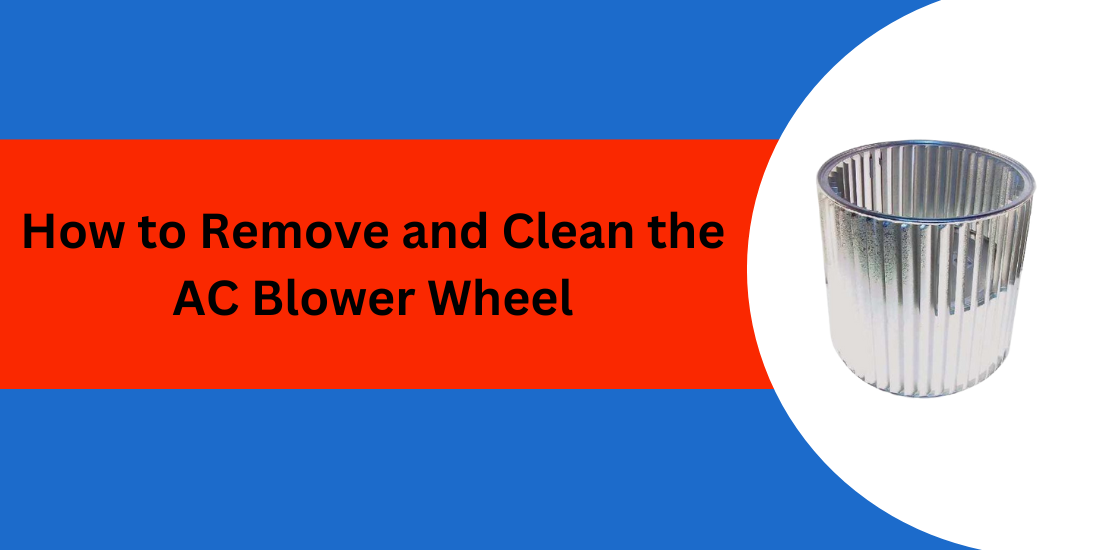
6. A Blocked or Damaged Blower Wheel Can Stop Normal Operation
The blower motor does not work independently. It drives a blower wheel that moves air through the HVAC system. Heavy dust accumulation, foreign objects, physical damage, or imbalance in the wheel can increase resistance on the motor.
Signs to Look For
Weak or reduced airflow
Rattling or vibration
Scraping sounds
Motor overheating
Blower wheel not rotating freely
What Should You Check?
After safely disconnecting power, inspect the accessible blower assembly for debris, damage, or anything interfering with rotation.
A damaged blower wheel may need attention even when the motor is still functional. Replacing the motor alone will not solve a mechanical restriction caused by the driven assembly.
7. A Faulty Control Board or Motor Control Can Prevent Operation
Modern York HVAC systems may use control electronics to determine when and how the blower operates. If the motor is not receiving the appropriate control signal, the blower may fail to start or may operate incorrectly.
Signs to Look For
Blower operation is intermittent.
The motor does not respond during a heating or cooling call.
Blower speed appears incorrect.
Other control-related symptoms occur at the same time.
What Should You Check?
The thermostat command, wiring, motor power supply, and control signal should be checked systematically. The control board or motor-control circuit should not be blamed solely because the blower is not running.
If testing confirms that the control system is functioning correctly but the motor does not respond, the motor itself becomes a stronger suspect.
When Should You Replace the York Blower Motor?
Blower motor replacement is generally considered when testing confirms that the motor itself has failed or when its mechanical condition makes continued operation impractical.
Replacement becomes more likely when:
The motor fails appropriate electrical testing.
The motor has internal mechanical damage.
Bearings or other internal components are severely worn.
The motor repeatedly overheats after airflow and load problems have been corrected.
The motor receives the required power and control signal but does not operate correctly.
Repair is not practical for the particular motor design.
When selecting York replacement parts, match the replacement to the specific HVAC equipment and motor requirements. Electrical ratings, physical dimensions, mounting configuration, rotation, and required operating characteristics should all be considered rather than choosing a part based only on appearance.
How Can You Prevent York Blower Motor Problems?
Many blower problems become easier to prevent when airflow and mechanical conditions are maintained properly.
Replace dirty air filters at the intervals appropriate for the equipment and operating conditions.
Keep return-air and supply-air pathways clear.
Have the blower assembly inspected during routine HVAC maintenance.
Address grinding, squealing, rattling, or unusual vibration early.
Do not ignore repeated motor overheating or shutdowns.
Keep electrical connections and controls properly maintained.
Use the correct replacement components when a part has been confirmed faulty.
Early attention is particularly important when the blower is becoming noisy or intermittent. A small airflow or mechanical problem can place additional stress on the motor if it remains unresolved.
Conclusion: Find the Cause Before Replacing the Blower Motor
A York HVAC blower motor can stop working because of a failed capacitor, electrical problem, restricted airflow, overheating, worn bearings, a damaged blower wheel, or a faulty control system. Since these issues can produce similar symptoms, replacing the motor should not be the first step. Check the surrounding components and operating conditions to identify the actual source of the failure. If testing confirms that the motor itself is defective, choose compatible York replacement parts based on the equipment's specifications. Addressing the underlying cause along with the failed component can help restore reliable airflow and prevent the same blower problem from returning.
Find high-quality HVAC parts for heating, cooling, and ventilation systems, with fast delivery from PartsHnC to keep your equipment running smoothly.
FAQs
1. Why is my York blower motor not working?
A York blower motor may stop working because of a failed capacitor, electrical problem, restricted airflow, mechanical wear, overheating, or a control-board issue. Check the basic causes before replacing the motor.
2. Can a dirty filter cause a York blower motor to stop?
A severely restricted filter can reduce airflow and contribute to increased system strain and overheating. Check and replace a heavily clogged filter before assuming the motor has failed.
3. How do I know if my York blower motor needs replacement?
If the motor has the required electrical supply and control signal but fails to operate correctly or fails appropriate testing, replacement may be necessary. A qualified technician should confirm the failure.


Comments
Post a Comment