Signs Your Modine Parts Need Replacement to Improve Performance

A Modine unit heater depends on properly functioning heating, airflow, ignition, control, and safety components to deliver consistent warmth in commercial, industrial, garage, and other HVAC spaces. When one or more components become worn or damaged, the heater may take longer to heat the space, produce weak airflow, cycle frequently, make unusual noises, or consume more energy. Replacing the affected component can restore performance, but identifying the actual cause of the problem is essential before purchasing a replacement.
When selecting Modine parts, users should consider the heater model and serial number, component specifications, electrical requirements, physical dimensions, and compatibility with the existing HVAC system. The correct replacement should match the manufacturer's requirements rather than being selected based only on appearance.
The following article explains seven common signs of component failure, what may be causing each symptom, and when replacing a Modine part can help restore reliable heating performance.
Modine Unit Heater Takes Too Long to Heat the Space
A Modine unit heater that takes longer than usual to bring a commercial, industrial, or workshop space to the desired temperature may have an airflow, combustion, control, or component problem. Before replacing a part, rule out simple causes such as a dirty filter, blocked air intake, incorrect thermostat setting, or inadequate building insulation.
Potential causes include:
Restricted Airflow: A dirty filter or obstructed intake can reduce the amount of air passing through the heater.
Weak Blower Motor: A worn motor may operate but fail to maintain the airflow needed for effective heat distribution.
Dirty Heat Exchanger: Accumulated dirt can interfere with heat transfer and reduce heating performance.
Thermostat Problems: An inaccurate thermostat may cause improper heating cycles or fail to accurately sense space temperature.
Combustion Issues: On gas-fired models, burner or ignition problems can affect heat production.
If basic maintenance does not resolve the problem, an HVAC technician should test the unit's airflow, temperature rise, controls, and combustion performance before identifying the appropriate Modine replacement parts.
Uneven or Weak Heat From the Modine Heater
Uneven heating is often noticeable when the area directly below or near the unit feels warm while distant sections remain cold. This can indicate insufficient airflow, poor heat distribution, or a component that is no longer operating at its intended capacity.
Check these areas during troubleshooting:
Blower Assembly: Dirt, damage, or a deteriorating motor can reduce air movement.
Air Distribution: Blocked discharge openings or incorrect louver positioning can prevent heated air from reaching the required areas.
Heat Exchanger: Excessive buildup can interfere with efficient heat transfer.
Thermostat: Incorrect sensing or placement can cause the unit to satisfy the heating demand prematurely.
Unit Sizing: A heater that is undersized for the space may run correctly but still struggle to maintain the required temperature.
If the heater is correctly sized and airflow paths are clear, testing individual Modine HVAC parts can help identify whether a worn blower motor, control, ignition component, or another part is affecting heating output.
Modine Heater Frequently Shuts Off or Cycles On and Off
Frequent shutdowns or short cycling should be investigated because repeated starts and stops can affect comfort and place additional operating stress on the equipment. The heater may be responding to a safety condition rather than simply experiencing a defective component.
Common causes include:
Restricted Airflow: A blocked filter or dirty blower can cause excessive temperature rise.
Faulty Limit Control: A malfunctioning or frequently activated high-limit control may interrupt operation.
Thermostat Problems: Incorrect thermostat readings can cause premature cycling.
Ignition or Flame-Sensing Issues: Gas-fired units may shut down when proper ignition or flame detection is not maintained.
Electrical Faults: Wiring, relays, or control-board problems can interrupt the operating sequence.
The important step is to determine why the heater is shutting down. Replacing a limit control, for example, will not solve the underlying problem if restricted airflow is causing the control to activate. Proper diagnosis helps ensure the correct Modine parts are replaced.
Unusual Noises Coming From the Modine Heating Unit
A new or progressively louder noise can indicate mechanical wear, loose hardware, airflow restrictions, or an electrical issue. Because the blower operates repeatedly during heating cycles, problems with its motor or rotating components can become more noticeable over time.
Watch for these specific symptoms:
Grinding or Squealing: May indicate worn motor bearings or mechanical deterioration.
Rattling: Can result from loose panels, mounting hardware, or blower components.
Vibration: An unbalanced or damaged blower wheel may cause excessive movement.
Buzzing: Could indicate an electrical component or connection requiring inspection.
Whistling: May occur because of restricted airflow or an obstruction.
Do not assume that every unusual sound requires a new motor. A technician should identify the source and determine whether cleaning, tightening, adjustment, or replacement is appropriate. When mechanical wear is confirmed, the correct Modine replacement part can help prevent further damage.
Rising Energy Bills Despite Normal Heater Usage
If heating costs increase even though operating schedules and weather conditions have not changed significantly, declining heater performance may deserve investigation. Higher energy use can result from reduced airflow, inefficient operation, control problems, or increased heat loss from the building.
Consider these possible contributors:
Dirty Filters: Force the blower system to work against greater airflow resistance.
Dirty Blower Components: Can reduce airflow and heat distribution.
Control Problems: Incorrect cycling can cause unnecessary operating time.
Combustion Issues: Gas-fired equipment may require professional inspection when combustion performance changes.
Building Heat Loss: Poor insulation, open doors, or air leakage can make a correctly functioning heater operate longer.
Energy consumption alone cannot identify a failed component. An HVAC professional should evaluate operating conditions and compare them with the manufacturer's specifications. If a defective motor, control, ignition component, or other Modine part is confirmed, replacing it may help restore proper operation.
Modine Heater Produces Weak or Unstable Airflow
Weak airflow can directly affect heat distribution and may also contribute to overheating if the heater cannot move sufficient air across the heat exchanger. Start troubleshooting with components that commonly restrict airflow before assuming the blower motor has failed.
Key areas to inspect include:
Air Filter: Replace or clean it according to the equipment requirements.
Intake and Discharge Openings: Remove obstructions that restrict air movement.
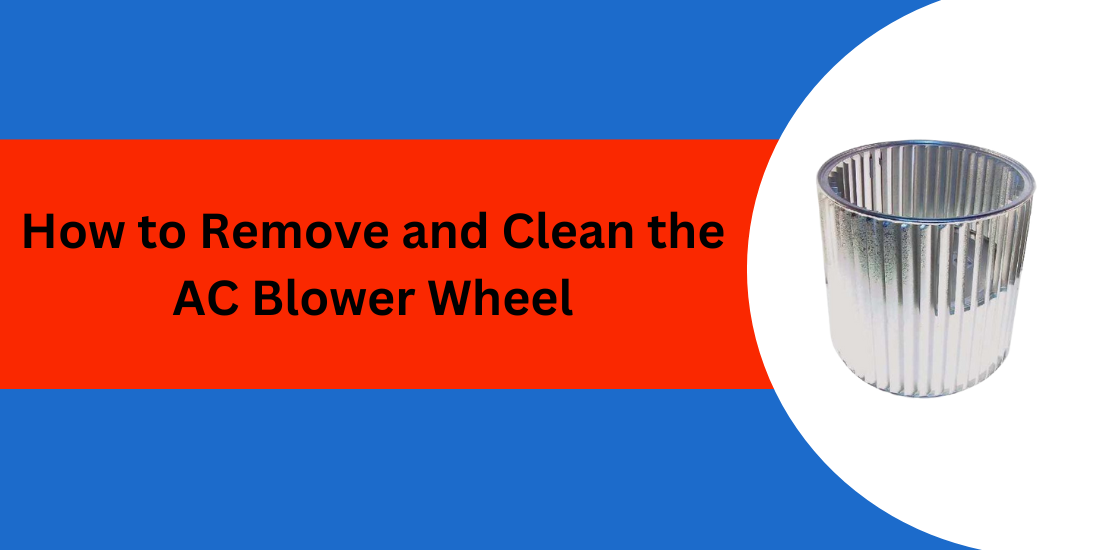
Blower Wheel: Dirt or physical damage can reduce airflow and create imbalance.
Blower Motor: A worn motor may run but fail to maintain the required speed.
Electrical Controls: Faulty wiring, capacitors where applicable, or motor controls can affect blower operation.
Motor Rotation: Incorrect rotation after service can significantly reduce airflow.
If airflow remains weak after basic restrictions are eliminated, a technician can test motor operation and electrical supply. A properly matched Modine blower motor or other HVAC replacement component can restore the required airflow when component failure is confirmed.
Visible Damage, Corrosion, or Wear on Modine Components
Physical deterioration provides an important warning that a Modine heater may require service. Components exposed to heat, vibration, moisture, dust, or combustion conditions can gradually deteriorate, particularly in demanding commercial or industrial environments.
During inspection, look for:
Corroded Metal: May indicate prolonged exposure to moisture or corrosive conditions.
Damaged Wiring Insulation: Can create electrical and safety concerns.
Cracked or Deteriorated Components: May affect mechanical or heating performance.
Loose Mounting Hardware: Can contribute to vibration and unusual operating noise.
Excessive Wear: May indicate that a motor, blower assembly, control, or other component is approaching failure.
Combustion-Area Deterioration: Requires professional evaluation because gas-fired equipment involves specific safety requirements.
Visible damage does not always mean immediate replacement of the entire unit. A qualified HVAC professional should determine whether the affected component can be safely replaced and whether other parts have also been compromised. When replacement is necessary, verify the heater's model and serial information before selecting compatible Modine parts.
Final Thoughts on Replacing Modine Parts for Reliable Heating Performance
Performance changes are often the first indication that a Modine unit heater needs attention. Slow heating, uneven temperatures, repeated cycling, unusual noise, increased energy consumption, weak airflow, and visible component deterioration should all be investigated rather than ignored. Importantly, these symptoms do not automatically prove that a particular part has failed. Proper HVAC diagnosis should rule out airflow restrictions, thermostat problems, combustion issues, electrical faults, and maintenance-related causes first. When a defective component is confirmed, selecting the correct Modine parts using the equipment model and manufacturer's specifications can help restore dependable heating, airflow, and overall system performance.
PartsHnC specializes in HVAC parts and accessories to keep your air conditioners, water heaters, and heat pumps running efficiently with fast delivery.
FAQs
1. What are the most common signs that Modine parts need replacement?
Common signs include slow heating, uneven heat, frequent cycling, unusual noises, weak airflow, increased energy consumption, and visible damage or corrosion.
2. Why is my Modine unit heater not heating properly?
Poor heating can result from restricted airflow, dirty components, thermostat problems, combustion issues, or a failed heating or blower component. Proper diagnosis is necessary before replacing a part.
3. Can a weak blower motor cause a Modine heater to overheat?
Yes. Insufficient airflow can reduce heat transfer from the heat exchanger and may cause safety controls to shut the heater down if operating temperatures become excessive.
4. Should I replace a Modine part when the heater starts making noise?
Not automatically. Noise can result from worn bearings, loose hardware, blower imbalance, dirt, or electrical problems. Identify the source before selecting a replacement component.


Comments
Post a Comment