Why Your Markel Heater Isn't Producing Enough Heat

A Markel heater is designed to provide reliable, consistent heat for commercial buildings, workshops, warehouses, garages, and other indoor spaces. However, if your heater is running but failing to produce enough heat, it can affect comfort, increase energy costs, and reduce productivity. In many cases, poor heating performance is caused by worn or faulty components rather than a complete system failure.
Understanding the source of the problem allows you to restore heating efficiency before minor issues become expensive repairs. Components such as heating elements, thermostats, blower motors, and other Markel parts all work together to maintain proper heat output. When one of these parts fails, the entire heating system can struggle to reach the desired temperature.
This guide explains the warning signs of poor heating performance, common causes, practical troubleshooting steps, the Markel parts most likely to require replacement, preventive maintenance tips, and when it may be time to repair or replace your heater.
Signs Your Markel Heater Isn't Producing Enough Heat
A heater that isn't producing sufficient heat usually shows several warning signs before it stops working altogether. Recognizing these symptoms early can help prevent unexpected downtime and reduce repair costs.
Weak or Lukewarm Airflow: If the heater is operating but only blows lukewarm air, the heating elements or electrical components may not be generating enough heat.
Heater Runs Constantly: When the heater runs continuously without reaching the thermostat setting, it often indicates reduced heating efficiency or a malfunctioning thermostat.
Uneven Heating: Some areas remain warm while others stay cold. Restricted airflow, a failing blower motor, or damaged Markel parts can prevent even heat distribution.
Frequent Cycling: A heater that repeatedly turns on and off may have overheating protection activating because of airflow restrictions or faulty controls.
Higher Utility Bills: When heating components lose efficiency, the system consumes more electricity while delivering less heat, increasing operating costs.
Common Reasons Why a Markel Heater Produces Low Heat
Several issues can reduce your heater's ability to produce consistent heat. Identifying the root cause helps determine whether maintenance or replacement Markel parts are required.
Dirty Air Filters or Restricted Airflow: Dust accumulation limits airflow across the heating elements, reducing heat transfer and forcing the system to work harder.
Worn Heating Elements: The heating element converts electricity into heat. Over time it may crack, burn out, or lose efficiency, producing lower temperatures.
Faulty Thermostat: An inaccurate thermostat may incorrectly sense room temperature, preventing the heater from operating long enough to warm the space.
Blower Motor Problems: The blower motor distributes heated air throughout the room. A weak or failing motor reduces airflow even when the heating elements operate correctly.
Electrical Problems: Loose wiring, damaged contactors, failing relays, or low supply voltage can reduce heater performance and prevent components from operating at full capacity.
Worn Internal Components: Damaged Markel parts, including limit switches, fan assemblies, and electrical controls, can reduce heating output while increasing wear on the system.
Steps to Troubleshoot a Markel Heater That Isn't Heating Properly
When your Markel heater runs but lacks sufficient heat, follow a troubleshooting process to find the issue before replacing parts. Common causes include airflow blockages, electrical faults, or worn components. Always disconnect power before inspecting for safety.
Step 1: Verify the Thermostat Settings
Begin by checking that the thermostat is set to heating mode and the temperature setting is higher than the current room temperature. If the thermostat is unresponsive or displays inaccurate readings, it may not be signaling the heater to operate correctly.
Step 2: Inspect the Power Supply
A heater cannot perform efficiently if it isn't receiving the proper electrical supply. Check the circuit breaker, disconnect switch, and wiring connections for loose terminals, damaged wires, or tripped breakers. Low voltage or intermittent electrical connections can reduce the performance of the heating elements and other Markel parts.
Step 3: Check Airflow and Heating Components
Inspect the air intake and discharge vents for dust, debris, or other obstructions that may restrict airflow. If your heater uses filters, clean or replace them as recommended by the manufacturer. Next, examine the heating elements for visible signs of wear, such as cracks, discoloration, or burn marks, which may indicate reduced heating capacity.
Step 4: Test the Blower Motor and Safety Controls
The blower motor should operate smoothly and distribute warm air evenly throughout the space. Listen for grinding or unusual noises that may indicate motor wear. Also inspect safety components such as the limit switch, which may shut the heater down if it detects overheating or airflow problems.
Step 5: Replace Faulty Components or Seek Professional Service
If troubleshooting identifies damaged Markel parts, replace them with compatible components designed for your heater model. However, if the issue involves electrical testing, internal wiring, or repeated heating failures, it's best to consult a qualified HVAC technician. Professional diagnosis helps ensure safe repairs, restores proper heating performance, and prevents unnecessary damage to other HVAC components.
Which Markel Parts Commonly Need Replacement?
A Markel heater, like all HVAC systems, has parts that wear over time. Replacing worn components promptly enhances heating efficiency, restores performance, and prevents further damage to the system.
# Heating Elements
The heating elements are responsible for generating the heat that warms your space. Over time, they can develop cracks, burn out, or lose their ability to produce consistent heat. If your heater blows cool or only mildly warm air despite operating normally, replacing damaged heating elements is often necessary.
# Thermostat
A faulty thermostat can cause inaccurate temperature readings or prevent the heater from running long enough to reach the desired temperature. If adjusting the thermostat doesn't improve heating performance or the room temperature doesn't match the thermostat setting, installing a compatible replacement can restore proper operation.
# Blower Motor
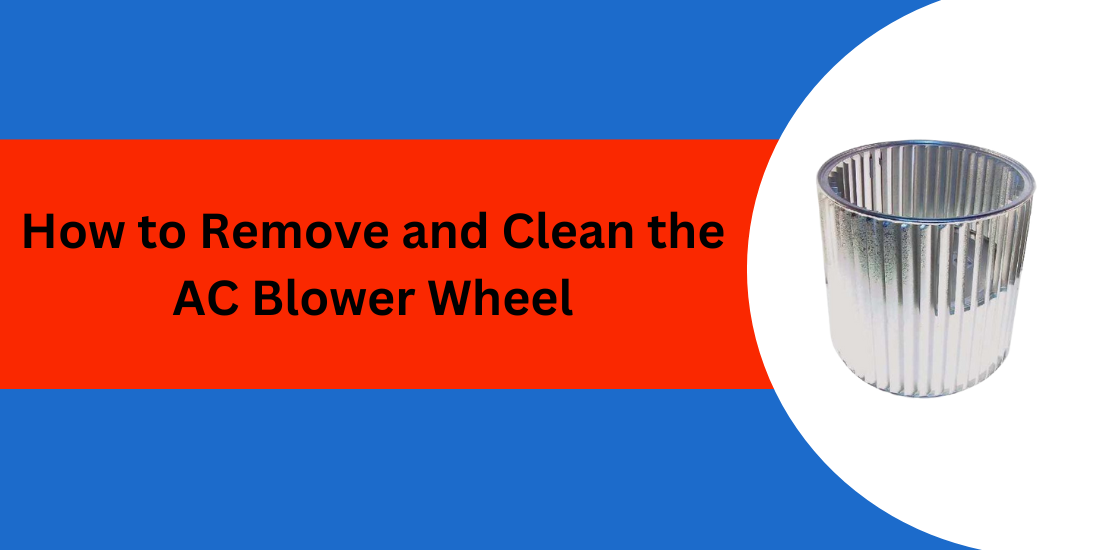
The blower motor circulates heated air throughout the room. When it begins to wear, you may notice weak airflow, unusual noises, or overheating. Replacing a worn blower motor improves air circulation and ensures heat is distributed evenly.
# Limit Switch
The limit switch is an important safety component that protects the heater from overheating. If it becomes faulty, the heater may shut off prematurely or cycle on and off repeatedly. Replacing a defective limit switch helps maintain safe and reliable operation.
# Contactors, Relays, and Fan Components
Electrical contactors, relays, and fan assemblies also wear over time due to repeated operation. Faulty contactors may interrupt power to the heating elements, while worn fan components can reduce airflow and heating efficiency. Replacing these Markel parts with compatible components helps restore dependable performance and extends the service life of your HVAC heating system.
How to Prevent Low Heat Output in Your Markel Heater
Preventive maintenance is the most effective way to keep your heater operating efficiently and avoid unexpected heating problems. Regular inspections and timely replacement of worn Markel parts help maintain consistent heat output, reduce energy consumption, and extend the lifespan of your HVAC equipment.
Keep Airflow Unrestricted: Dust and debris can accumulate around air intake vents, discharge openings, and the fan assembly, restricting airflow and reducing heating efficiency. Clean these areas regularly to ensure warm air circulates freely throughout the space. If your heater uses air filters, inspect and replace them according to the manufacturer's maintenance schedule.
Inspect Electrical Components: Loose wiring, worn terminals, or damaged contactors can interfere with power delivery to the heater. Periodically inspect these electrical connections for signs of wear, overheating, or corrosion, and repair any issues promptly to maintain reliable operation.
Monitor Critical Heating Components: Regularly test the thermostat to ensure it accurately controls room temperature. Also inspect essential Markel parts, including heating elements, blower motors, and limit switches, for signs of wear or declining performance. Replacing these components before they fail helps prevent costly breakdowns and improves system efficiency.
Schedule Routine HVAC Maintenance: Arrange professional maintenance at least once a year to thoroughly inspect your heater. A qualified technician can identify worn Markel parts, verify safe operation, and perform necessary adjustments, helping your heating system deliver dependable performance throughout the heating season.
Conclusion: Restore Reliable Heating with Timely Maintenance and Quality Parts
Maintaining consistent heat from your Markel heater starts with identifying problems early and addressing them before they become major failures. Components such as heating elements, thermostats, blower motors, and other Markel parts play a vital role in delivering reliable heating performance. By recognizing the warning signs of low heat output, following a structured troubleshooting process, and replacing worn HVAC replacement parts when needed, you can improve efficiency, reduce unexpected downtime, and extend the lifespan of your heating system. Regular maintenance, proper airflow, and timely inspections will help ensure your Markel heater continues to provide dependable warmth and reliable operation throughout the heating season.
PartsHnC delivers high-quality HVAC replacement parts and supplies with fast delivery, offering reliable components for major systems, including air conditioners, heat pumps, water heaters, and ventilation equipment.


Comments
Post a Comment