HVAC System Not Working? Must-Have Parts and Accessories for a Quick Fix

The safe and efficient operation of an HVAC system depends on proper airflow, accurate temperature control, and reliable electrical components—much like other mechanical systems rely on balanced ventilation and circuit protection to operate safely. HVAC equipment uses multiple interconnected components, including thermostats, capacitors, motors, and control boards, to regulate indoor temperatures and maintain consistent comfort. When these components fail, issues such as poor airflow, uneven cooling, or AC not switching ON can quickly disrupt system performance.
Understanding how heating and cooling systems function, recognizing early warning signs of malfunction, and knowing which HVAC parts and accessories are required for repairs is essential for technicians, facility managers, and property owners. Many system failures occur due to worn electrical components, airflow restrictions, or aging mechanical parts that require replacement with reliable HVAC parts.
This guide covers:
Common reasons an HVAC system stops working
Must-have HVAC replacement parts & tools needed for quick repairs
Essential HVAC parts and accessories that improve system efficiency
Practical troubleshooting steps to restore heating and cooling operation
Maintenance strategies that help prevent future system failures
By identifying faulty components early and using the correct HVAC replacement parts & tools, technicians can restore reliable HVAC performance, minimize downtime, and maintain comfortable indoor environments.
Common Reasons an HVAC System Stops Working
HVAC systems consist of multiple mechanical and electrical components working together to maintain indoor comfort. When one component fails, the entire system may stop functioning properly. Understanding the most common causes of failure can help technicians diagnose problems more efficiently.
Electrical Power Issues: One of the most common problems reported by property owners is AC not switching ON. This issue often occurs due to electrical faults such as tripped circuit breakers, blown fuses, or damaged wiring. When the electrical supply to the HVAC unit is interrupted, the system cannot operate.
Inspecting the power supply and replacing faulty electrical HVAC parts such as fuses or relays is often the first step in troubleshooting.
Faulty Thermostat: The thermostat acts as the control center of the HVAC system. If it fails to send proper signals to the heating or cooling equipment, the system may not start or operate inconsistently.
Replacing a malfunctioning thermostat with reliable HVAC replacement parts & tools can quickly restore system communication and control.
Failed Capacitors: Capacitors store electrical energy and help start motors in HVAC systems. When a capacitor fails, the compressor or fan motor may be unable to start or stop functioning entirely. This failure often leads to situations where the AC not switching ON becomes a common complaint.
Capacitors are among the most frequently replaced HVAC parts in both residential and commercial systems.
Motor or Fan Failure: HVAC units rely on blower motors and condenser fan motors to circulate air and dissipate heat. If these motors become worn or fail, airflow is restricted and the system cannot operate efficiently.
Replacing worn motors using compatible HVAC replacement parts & tools ensures consistent airflow and system performance.
Refrigerant Leaks: Low refrigerant levels caused by leaks can reduce cooling capacity and place additional load on the compressor. If refrigerant levels drop significantly, the system may shut down to prevent damage.
While refrigerant servicing requires professional handling, supporting components such as valves and connectors are important HVAC parts and accessories used during repair.
Dirty or Clogged Filters: Air filters protect HVAC systems from dust and debris. However, clogged filters restrict airflow and force the system to work harder. Over time, this can cause overheating or system shutdown.
Replacing filters regularly is a simple but essential part of HVAC maintenance.
Must-Have HVAC Replacement Parts for Quick Repairs
When an HVAC system fails, having the right replacement components readily available can significantly reduce repair time. Technicians rely on essential HVAC replacement parts & tools to address the most common system issues.
# Capacitors
Capacitors are among the most commonly replaced HVAC parts. They provide the electrical boost required to start compressors and fan motors.
A failed capacitor can prevent the system from starting, leading to situations where the AC not switching ON becomes the primary symptom. Keeping spare capacitors available allows technicians to restore functionality quickly.
# Contactors and Relays
Contactors control the flow of electricity to major HVAC components such as compressors and fans. When these devices fail, power cannot reach the system components.
Replacing faulty contactors is a simple repair using standard HVAC replacement parts & tools.
# Blower Motors
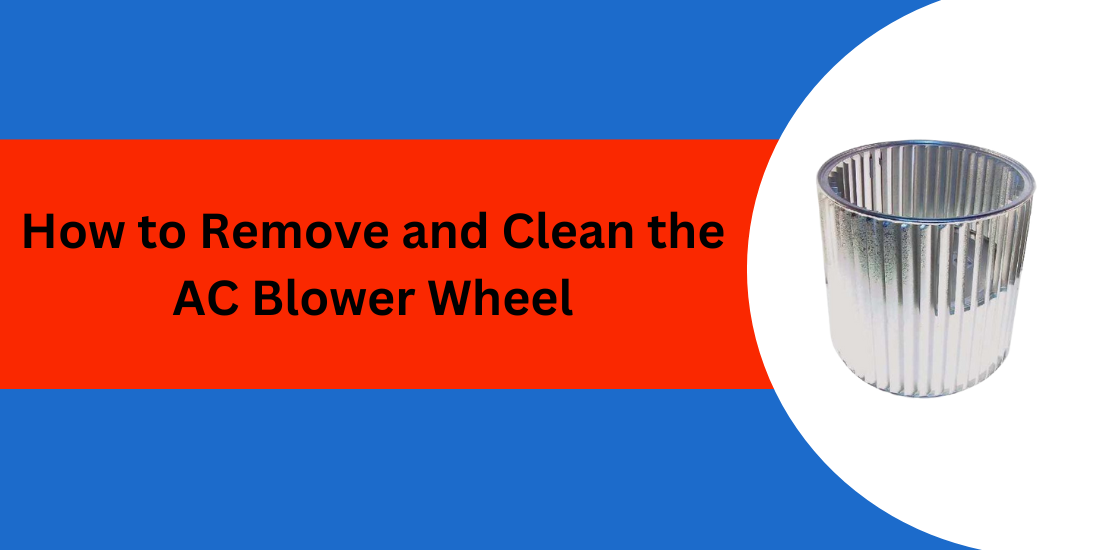
Blower motors circulate conditioned air through ductwork and into indoor spaces. When these motors fail, airflow stops completely.
Installing new blower motors as part of a repair ensures the HVAC system can distribute heated or cooled air effectively.
# Thermostats
Modern thermostats provide advanced temperature control and energy efficiency. However, malfunctioning thermostats can cause inaccurate temperature readings or prevent the HVAC system from starting.
Replacing the thermostat with compatible HVAC parts and accessories restores system control and improves performance.
# Air Filters
Although simple, air filters are essential for maintaining system efficiency. Clogged filters restrict airflow, reduce cooling performance, and increase energy consumption.
Replacing filters regularly prevents unnecessary pressure on the system and extends equipment life.
# Condenser Fan Motors
Outdoor units rely on condenser fan motors to release heat from refrigerant. If the fan motor fails, the compressor may overheat and shut down.
Using reliable HVAC replacement parts & tools ensures proper heat transfer and protects the system from damage.
Essential HVAC Accessories That Improve System Performance
In addition to replacement components, several HVAC parts and accessories help improve system efficiency, reliability, and long-term performance.
# Programmable Thermostats
Programmable thermostats allow users to schedule heating and cooling cycles based on occupancy patterns. These devices reduce energy waste and improve overall system efficiency.
Upgrading to advanced thermostats is a common improvement when installing or replacing HVAC components.
# Surge Protectors
Electrical surges can damage sensitive HVAC components such as circuit boards and compressors. Installing surge protectors protects these components and prevents costly repairs.
Surge protection devices are valuable HVAC parts and accessories for both residential and commercial systems.
# Air Quality Accessories
Indoor air quality accessories such as humidifiers, dehumidifiers, and air purifiers enhance the HVAC system’s ability to maintain healthy indoor environments.
These devices work alongside primary HVAC parts to regulate humidity levels and remove airborne contaminants.
# Condensate Pumps
Condensate pumps remove moisture generated during cooling cycles. Without proper drainage, water buildup can damage equipment or cause leaks.
Reliable pumps are essential HVAC replacement parts & tools used in many system installations.
# Vibration Pads
HVAC equipment generates vibrations during operation, which can lead to noise and mechanical overload. Installing vibration pads helps stabilize equipment and reduce wear.
These small accessories contribute significantly to long-term equipment durability.
Quick Fixes to Restore Heating and Cooling Operation
When an HVAC system stops functioning, several quick troubleshooting steps can help restore operation before more extensive repairs are required.
Check the Thermostat Settings
Incorrect thermostat settings are a surprisingly common cause of system malfunction. Ensure the thermostat is set to the correct mode (cooling or heating) and that the temperature setting is appropriate.
If the thermostat screen is blank, replacing batteries or installing a new thermostat may resolve the issue.
Inspect Circuit Breakers
If the AC not switching ON, check the electrical panel for tripped breakers. Resetting the breaker may restore power to the HVAC system.
Repeated breaker trips may indicate deeper electrical problems requiring inspection of HVAC parts such as contactors or wiring.
Replace Air Filters
Dirty air filters can restrict airflow and cause system shutdown. Replacing clogged filters with clean ones improves airflow and system performance.
Regular filter replacement is one of the simplest maintenance practices for HVAC systems.
Examine the Outdoor Unit
Debris such as leaves, dirt, and grass clippings can block airflow around the outdoor condenser unit. Cleaning the area around the unit allows heat to dissipate properly.
Maintaining clear airflow around outdoor equipment supports efficient system operation.
Inspect Capacitors and Contactors
When the AC not switching ON, failed capacitors or contactors are often responsible. These electrical components can be tested and replaced using proper HVAC replacement parts & tools.
Replacing these parts is one of the fastest ways to restore system functionality.
Reset the HVAC System
Some systems include built-in reset functions or safety switches. Resetting the system after addressing minor issues may allow normal operation to resume.
However, repeated shutdowns usually indicate that specific HVAC parts and accessories require replacement.
Conclusion: Restoring HVAC System Performance with the Right Parts and Accessories
A malfunctioning HVAC system can disrupt comfort, productivity, and energy efficiency in any building. Common issues—such as AC not switching ON, weak airflow, or inconsistent temperatures—often stem from worn or faulty components. Using the right HVAC parts and accessories, including capacitors, motors, thermostats, filters, and surge protectors, allows technicians to perform timely repairs and restore system performance. Keeping a supply of quality HVAC replacement parts & tools ensures quick, reliable fixes while reducing downtime. With proper diagnostics, targeted repairs, and preventive maintenance, HVAC systems can operate efficiently, safely, and consistently for years to come.
PartsHnC offers a full range of HVAC parts and supply for air conditioners, water heaters, heat pumps, and ventilation systems—delivering quickly to ensure your equipment performs reliably and at its best.


Comments
Post a Comment