Aaon Air Conditioner Not Working After Changing Filters? Here’s How to Fix It

Aaon air conditioning systems are known for their durability, efficiency, and reliability in commercial buildings, industrial facilities, and large-scale HVAC applications. However, a surprising number of service calls occur right after a filter replacement—often because a small installation error, airflow issue, or safety switch interruption prevents the unit from starting correctly.
Whether the blower won’t run, the compressor won’t engage, or the entire system appears dead, most post-filter issues are simple to diagnose and resolve once you understand how the airflow and safety controls function in Aaon units.
This guide covers:
The most common reasons an Aaon AC fails to run after replacing filters
How dirty, clogged, or misaligned filters impact airflow and performance
Effective repairs and troubleshooting steps to restore your unit
Preventive maintenance tips to protect your Aaon HVAC parts and avoid future downtime
By understanding these issues early, facility managers and technicians can prevent unnecessary wear on Aaon air conditioning parts, reduce operational disruptions, and maintain peak cooling performance.
Common Reasons an Aaon AC Fails After Filter Replacement
If your Aaon air conditioner stops working right after a filter change, the cause usually relates to airflow restrictions, electrical interruptions, or safety lockouts. Several issues commonly trigger this problem.
Incorrect Filter Installation—A filter that’s backward or not seated properly can block return airflow and prevent the blower from operating.
Wrong Filter Size or Thickness—Aaon units are sensitive to filter specs. Oversized, undersized, or high-MERV filters can create high static pressure, safety shutoffs, and reduced cooling.
Filter Access Door Not Latched—Since Aaon systems use door safety switches, even a slightly open panel can stop the blower and compressor.
Tripped Pressure or Limit Switch—Restricted airflow may trigger high-pressure or low-airflow lockouts that require manual reset.
Dust dislodged during filter removal can also affect coils, sensors, or the blower wheel, causing temporary imbalance. If technicians replaced filters with the power on, the control board may enter protective mode. Sometimes, unrelated issues—like worn Aaon HVAC parts, loose wiring, or faulty switches—show up at the same time. Identifying the exact cause helps restore system performance quickly.
How Dirty or Misaligned Filters Affect System Performance
Filters play a critical role in the airflow system of an Aaon unit. When they are dirty, clogged, or incorrectly installed, the entire cooling process is disrupted.
1. Reduced Airflow to the Evaporator Coil
Proper airflow is required to maintain coil temperature. Poor airflow leads to:
Coil freezing
Condensation imbalance
Refrigerant underfeeding
Compressor strain
Even a slight pressure drop can trigger the unit to shut down to protect key Aaon HVAC parts.
2. Increased Static Pressure in the Return Air Plenum
Aaon rooftop units and custom air handlers are designed with specific airflow parameters.
A misaligned filter creates turbulence and resistance, raising static pressure above the set limit.
This results in:
Low airflow alarms
High static pressure faults
Reduced cooling capacity
Short cycling
3. Temperature Control Issues
If the blower struggles to move air across temperature sensors or thermostats:
Discharge air readings become inaccurate
The system may shut down prematurely
Mixed-air dampers may not operate correctly
4. Triggered Air Proving Switches
Air switches verify that airflow is adequate before allowing the system to run. If airflow falls below the threshold—even briefly—the unit will not start.
5. Premature Wear on Aaon Air Conditioning Parts
Long-term filter-related airflow problems cause stress on:
Blower motors
Fan belts
Variable-speed drives
Coils and compressors
This can turn a simple filter mistake into a serious repair bill.
Ensuring filters are installed correctly is the easiest way to maintain smooth system performance.
Effective Fixes When Your Aaon Unit Stops Working After a Filter Swap
Below is a step-by-step troubleshooting process designed specifically for Aaon units that shut down after a filter replacement. These methods help restore airflow, reset safety circuits, and confirm that all key components are functioning.
1. Verify Filter Orientation and Installation
Double-check:
Direction of airflow arrows
Filters are fully seated in their tracks
No gaps or overlaps
Correct size and thickness
Correcting even a small misalignment can restore airflow and restart the system.
2. Reset the Aaon System
Most Aaon units require a manual reset after a shutdown event.
Perform the following:
Power the unit OFF at the disconnect
Wait 2–5 minutes
Power the unit ON
Reset the controller if applicable (Rooftop Unit Controller, VCCX2, etc.)
This clears faults caused by temporary pressure or airflow issues.
3. Inspect Panel and Door Safety Switches
Make sure all service panels are:
Closed
Secured
Latched fully
A loose panel disables major components to prevent unsafe operation.
4. Check Airflow and Static Pressure
Use a manometer to measure static pressure before and after the filter.
If readings are high, consider:
Switching to a lower MERV rating
Replacing filters with manufacturer-approved ones
Inspecting the return ductwork for blockages
5. Inspect the Blower Motor and Belt
When filters are clogged or misaligned, blower strain is common.
Inspect:
Belt tension
Motor amps
VFD readings
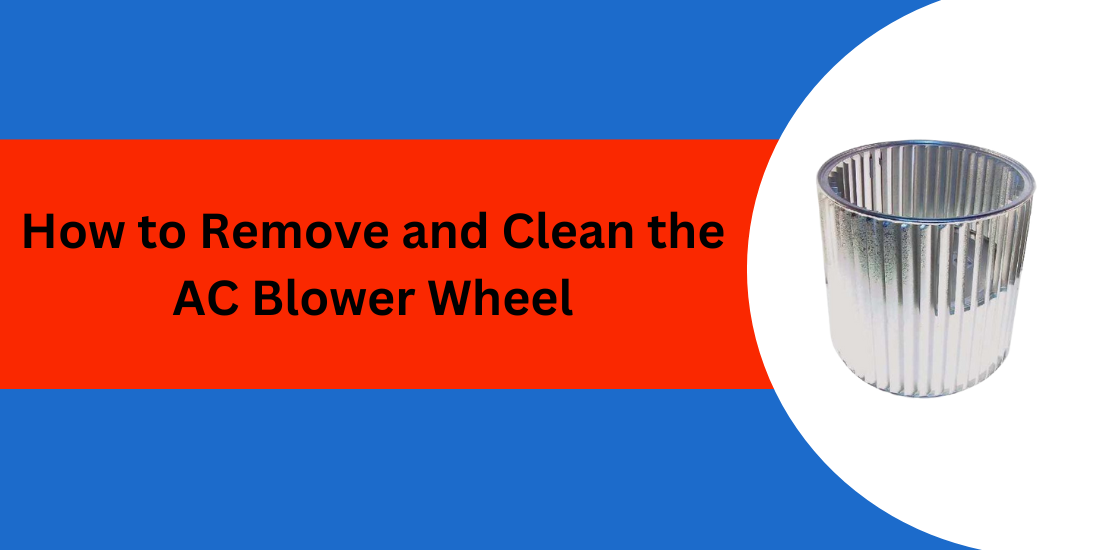
Blower wheel cleanliness
If the blower cannot reach the required CFM, the unit will not operate.
6. Look for Dust Buildup on Sensors or Coils
If dust was shaken loose during filter replacement, clean:
Evaporator coil face
Blower wheel blades
Mixed-air dampers
Temperature sensors
Even a thin layer of dust can block sensors or restrict airflow.
7. Check Switches and Sensors
Inspect:
High and low-pressure switches
Airflow proving switches
Freeze-stat
Supply air temperature sensors
A sensor that sees abnormal readings—such as coil freezing or low airflow—will shut the system down.
8. Ensure All Aaon Air Conditioning Parts Are Connected
Loose wires or unplugged connectors can occur during filter or panel removal.
Confirm:
Sensor wires are secure
Control board connections are tight
Motor leads are properly sleeved
9. Inspect the Regulator, Dampers, and Heating Section (If Equipped)
If your Aaon unit includes:
Gas heat
Electric heat
Modulating dampers
Troubleshoot these components since they are tied to airflow-proving circuits.
10. Review Error Codes on the Controller
Most Aaon units will show fault codes such as:
Low airflow
High static pressure
Blower failure
Coil freeze protection
Damper failure
Use this information to isolate the root cause.
If the above steps do not resolve the issue, the next step is to inspect deeper control system components or replace worn Aaon HVAC parts that may have coincidentally failed during maintenance.
Preventive Maintenance Tips to Avoid Post-Filter Issues
Proper maintenance is the best way to prevent failures after filter changes.
Here are the most important practices for keeping Aaon units running smoothly.
1. Always Use Manufacturer-Approved Filters
Incorrect filter ratings lead to static pressure issues and airflow restrictions.
Use filters that match Aaon’s recommendation:
Size
Thickness
MERV rating
2. Inspect Filters Monthly
Even if your schedule requires replacement every 60–90 days, monthly checks prevent:
Premature clogging
Material collapse
Filter blowouts
3. Clean Coil and Blower Components Regularly
Clean:
Evaporator and condenser coils
Blower wheels
Return air grilles
Contaminated components reduce airflow even with new filters installed.
4. Record Static Pressure Before and After Filter Changes
This helps identify:
Improper filter selection
Airflow drop patterns
Fan performance issues
5. Test Safety Switches and Sensors Every Maintenance Cycle
Verify:
Door switches
Airflow proving switches
Freeze-stats
Temperature sensors
Malfunctioning sensors are a major cause of Aaon air conditioning parts issues.
6. Use High-Quality Air Conditioner Assembly Parts During Repairs
Low-quality components can cause:
Blower instability
Poor cooling performance
Recurring shutdowns
Stick to genuine or premium Aaon HVAC parts for reliability.
7. Schedule Professional Maintenance Twice a Year
A trained Aaon technician can identify:
Weak motors
Failing sensors
Hidden duct blockages
Early control board issues
This prevents unexpected shutdowns and costly repairs.
Aaon air conditioners are dependable, but filter-related corrections must be handled carefully to ensure the system restarts without issues. By understanding the most common causes of post-filter failures, using the right filters, following proper reset procedures, and maintaining critical Aaon air conditioning parts, facility managers can prevent downtime and keep cooling performance at its best. Preventive maintenance not only protects essential air conditioner assembly parts but also ensures that your Aaon system delivers long-term reliability and consistent airflow in demanding commercial environments.
PartsHnC, delivers high-quality HVAC parts and supplies with fast delivery for every major system including air conditioners, heat pumps, water heaters, and ventilation systems.
FAQ’s
1. How often should AC filters be changed?
Most AC filters should be changed every 1–3 months, depending on usage, filter type, indoor air quality, and whether pets or dust are present.
2. What happens if I run AC without an air filter?
Running AC without a filter allows dust and debris into the system, clogging coils, reducing airflow, lowering efficiency, and potentially causing costly damage.
3. Will AC stop working if the filter is dirty?
Yes, a severely dirty filter can restrict airflow enough to cause freezing, overheating, safety lockouts, and shutdowns, making the AC stop cooling or stop running entirely.


Comments
Post a Comment