Carrier Furnace High Limit Switch Keeps Tripping? Here’s What to Check

A Carrier furnace is designed to keep your home warm and comfortable during cold months. Like any mechanical system, it can experience issues affecting performance. One common problem is a high-limit switch that trips repeatedly, signaling a potential overheating issue requiring attention.
This safety feature prevents dangerous furnace overheating, but frequent trips indicate an underlying problem. In this article, we’ll explore why the high limit switch trips, steps to troubleshoot it, and how proper furnace maintenance, including inspections and using genuine Carrier Furnace Parts, can help ensure your system operates safely and efficiently all season.
Carrier Furnace Parts: Top Reasons Your High Limit Switch Trips
Understanding the root causes can help you fix the problem quickly. Here are the most frequent reasons:
Dirty Air Filter
A clogged air filter restricts airflow through the furnace, making the heat exchanger work harder than normal. Reduced airflow causes the furnace to overheat and can trip the high limit switch frequently.
Check:
Remove the filter and inspect for visible dirt, dust, or discoloration.
Check how long it has been since the filter was last replaced. Most should be changed every 1–3 months.
Make sure the filter is installed correctly, with airflow arrows pointing in the proper direction.
Replace with the correct size and MERV rating as recommended by Carrier, and consider keeping a spare filter on hand for regular maintenance. Regular filter replacement improves efficiency and reduces wear on your furnace.
Blocked or Closed Vents
Obstructed supply or return vents reduce airflow, causing heat to build up inside the furnace. This extra heat can cause the high limit switch to trip as the system struggles to maintain safe operating temperatures.
Check:
Walk around your home and ensure all supply and return vents are open.
Remove any furniture, curtains, or rugs blocking airflow near the vents.
Inspect vents for dust or debris and clean them if necessary.
Pay special attention to the return air vent, as furnaces rely on it to pull air back for heating. Keeping vents unobstructed improves circulation and reduces furnace strain.
Blower Motor Issues
A malfunctioning blower motor cannot push enough air through the system, causing the heat exchanger to overheat. Overheating triggers the high limit switch to shut the furnace down to prevent damage.
Check:
Listen for unusual sounds like squealing, rattling, or humming coming from the blower.
Verify that the blower starts running when the furnace cycles on.
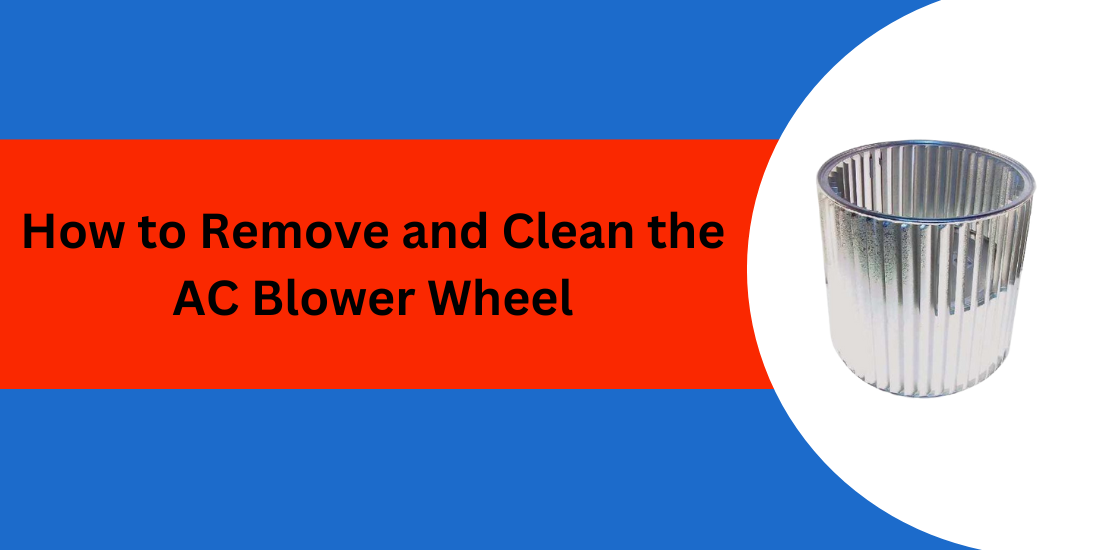
Inspect the blower wheel for dirt buildup or debris that could obstruct airflow.
Lubricate the motor if required, and consider scheduling a professional inspection if airflow remains weak. A properly functioning blower improves furnace efficiency and prevents repeated limit switch trips.
Dirty or Blocked Heat Exchanger
Dust, soot, or debris on the heat exchanger reduces heat transfer efficiency and restricts airflow. This makes the furnace hotter than normal, which can repeatedly trip the high limit switch.
Check:
Inspect for visible dust, soot, or cracks on the heat exchanger.
Ensure there are no obstructions around the furnace that could impede airflow.
Check for any unusual odors, which can indicate overheating or incomplete combustion.
Cleaning the heat exchanger is best done by a professional. Regular maintenance prevents long-term damage and ensures safe furnace operation.
Faulty High Limit Switch
If the high limit switch is malfunctioning, it may trip even when the furnace isn’t actually overheating. A bad switch can cause frequent shutdowns and prevent the furnace from operating normally.
Check:
Turn off the power and inspect the switch wiring for loose connections or signs of burning.
Test continuity with a multimeter.
Check if the furnace operates normally after temporarily bypassing the switch.
Replace a faulty switch promptly, but ensure that airflow and other furnace issues are corrected first. Replacing a switch without fixing the root cause may lead to repeated tripping.
Ductwork Issues
Leaks, disconnections, or blockages in ductwork reduce airflow, causing the furnace to overheat. Reduced airflow increases pressure in the system, which can trigger the high limit switch repeatedly.
Check:
Inspect visible ductwork for holes, loose joints, or disconnected sections.
Check ducts for excessive dust buildup or obstructions.
Listen for whistling or unusual airflow sounds that indicate leaks.
Seal leaks with foil tape or mastic, and schedule a professional duct cleaning if necessary. Proper duct maintenance ensures even heating and reduces furnace strain.
Troubleshooting High Limit Switch Trips on Carrier Furnace Parts
Inspect the high limit switch, check airflow, and test related Carrier furnace parts to identify and fix the issue.
Step 1: Power Off and Inspect Basic Components
Turn off the furnace at the breaker or power switch for safety.
Gather Essential Tools: Multimeter, screwdriver, and flashlight.
Check the Air Filter: Remove, inspect for dirt, and replace if clogged using recommended Carrier furnace parts.
Inspect vents and ductwork for blockages or damage; clear any obstructions to ensure proper airflow.
Step 2: Examine the Blower System
Inspect the blower motor for signs of wear, unusual noises, or inconsistent airflow.
Check electrical connections and capacitors for damage.
Replace any faulty components with certified Carrier furnace parts to maintain safe and efficient operation.
Step 3: Test and Replace the High Limit Switch
Use a multimeter to test the high limit switch for continuity.
If the switch is faulty, replace it with a genuine Carrier furnace parts high-limit switch.
Always ensure the furnace is powered off while performing this step.
Preventive Maintenance Tips for High Limit Switch Issues
Proactive care reduces the chances of the high-limit switch tripping. Here’s what to do:
Regular Filter Replacement: Replace your air filter monthly or every 90 days, depending on usage and the type of filter. Clean filters allow proper airflow and reduce strain on your furnace.
Annual Professional Inspection: A licensed HVAC technician can inspect your furnace, test Carrier furnace parts, and ensure the system operates safely. Regular inspections catch small issues before they escalate.
Keep Vents and Ducts Clear: Routine checks for debris and blockages in vents and ductwork ensure smooth airflow, keeping your furnace from overheating.
Monitor Furnace Performance: Pay attention to unusual noises, uneven heating, or frequent shutoffs. Early detection helps prevent more serious issues.
Regular maintenance and timely part replacements are key to preventing your Carrier furnace’s high limit switch from tripping repeatedly. By keeping airflow clear and using genuine Carrier furnace parts, you’ll ensure safe, efficient heating all season long.
Regularly tripping high-limit switches in your Carrier furnace indicates potential airflow restrictions, overheating, or component wear that shouldn’t be ignored. Addressing these issues promptly ensures consistent heating performance, energy efficiency, and system longevity. Always inspect filters, vents, and blower components, and replace worn parts with genuine Carrier furnace parts to maintain safety and reliability. Scheduling periodic HVAC maintenance with a certified technician prevents costly breakdowns and ensures your furnace operates smoothly through every season, providing dependable comfort and peace of mind in both residential and commercial environments.
PartsHnC, offers HVAC replacement parts for air conditioners, water heaters, heat pumps, and ventilation systems—delivers quickly to ensure your equipment performs at its best.
FAQs
1. Why does the high limit switch trip immediately after starting the furnace?
This often points to airflow problems, a stuck blower, or a faulty switch that isn’t responding properly.
2. How do I test a Carrier furnace high limit switch?
You can test it with a multimeter for continuity when the furnace is off and cool. If there’s no continuity, it needs replacement.
3. Can low airflow trigger a high limit switch?
Exactly. Low airflow from dirty filters, blocked vents, or a weak blower can overheat the furnace and trip the switch.


Comments
Post a Comment