Armstrong Furnace Blower Motor Not Working? Here’s How to Fix It

A malfunctioning blower motor is one of the most common reasons an Armstrong furnace not turning on becomes a major issue in residential or commercial HVAC systems. The blower motor is responsible for circulating warm air through the ducts, ensuring consistent heat distribution throughout the property. When it fails, the entire furnace system can shut down or produce weak airflow, cold spots, overheating, or safety shutdowns.
Understanding the causes, symptoms, and maintenance needs of blower motors helps HVAC technicians and facility managers keep their systems running efficiently. This guide covers the most common repair steps and troubleshooting techniques while highlighting how Armstrong Electric furnace parts interact within the system.
Common Reasons Your Armstrong Furnace Blower Motor Stops Working
Blower motor failure can stem from electrical, mechanical, or component-level issues. Because the blower motor interacts with multiple Armstrong furnace parts, even one failing part can cause a complete performance breakdown. Here are the most frequent culprits:
1. Failed or Weak Capacitor
The capacitor provides the initial boost required to start the blower motor. If it becomes weak, swollen, or burnt out, the motor may hum, struggle to start, or fail altogether. Since capacitors are among the most commonly replaced Armstrong Electric furnace parts, they are a prime suspect when airflow ceases.
2. Worn Motor Bearings
Motor bearings wear down due to friction, debris, or old lubrication. When they fail, the blower wheel may seize or drag, preventing proper airflow or causing overheating. This is a classic cause of an Armstrong furnace parts breakdown inside the blower assembly.
3. Faulty Control Board or Relay
The furnace control board sends power to the blower motor. When relays fail or circuits burn out, the motor won’t receive voltage. This can appear as the furnace turning on with no air movement or the Armstrong furnace not turning on at all.
4. Clogged Air Filters
Restricted airflow forces the blower motor to work harder, eventually overheating and triggering safety shutoff. Long-term airflow restriction shortens the lifespan of many Armstrong furnace parts, including the motor and limit switches.
5. Burnt Motor Windings
Heat, age, and power surges can damage internal windings. A blower motor with burnt windings often trips the breaker, produces burnt smells, or stops working entirely.
6. Loose or Damaged Wiring
Electrical shorts, loose connectors, or corroded terminals can interrupt the power supply to the blower motor. Wiring degradation is particularly common in older systems or in units exposed to moisture.
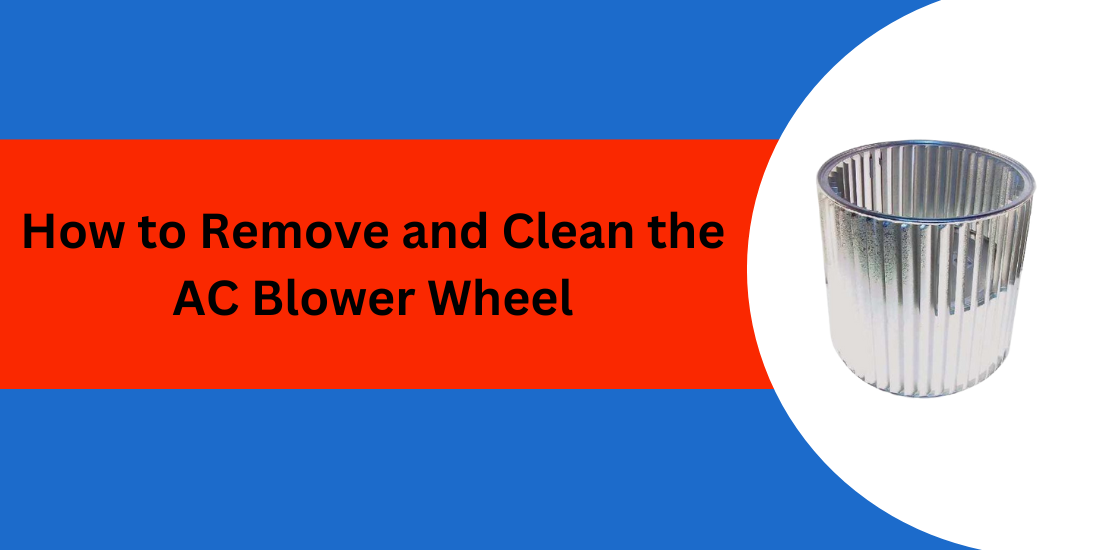
7. Blocked or Dirty Blower Wheel
Dust buildup around the blower wheel adds weight and resistance, making the motor work harder than necessary. Eventually, the added load results in complete failure.
By identifying these issues early, you can prevent expensive repairs and avoid more widespread Armstrong Electric furnace parts issues.
Early Warning Signs of Blower Motor Failure
Before the blower motor stops completely, there are clear signs indicating trouble. Knowing these symptoms helps technicians address problems before they lead to a larger Armstrong furnace parts breakdown.
1. Reduced Airflow from Vents
Weak or inconsistent airflow means the motor is struggling to maintain speed due to mechanical resistance, failing windings, or capacitor problems.
2. Loud Grinding or Screeching Noises
These noises typically indicate worn motor bearings or debris in the blower wheel. Ignoring these sounds accelerates damage inside the assembly.
3. Burning Smells or Overheating
Dust buildup, burning insulation, or electrical shorts may create noticeable odors. This is a major warning sign of imminent component failure.
4. Furnace Short Cycling
If the furnace turns on and off rapidly, it could mean the blower motor cannot keep up with the required airflow, triggering high-limit switches repeatedly.
5. Motor Fails to Start but Hums
A humming motor is almost always a capacitor problem, though jammed blower wheels or electrical issues can create similar symptoms.
6. Increased Utility Bills
An inefficient blower motor has to work harder and longer to maintain temperature settings, raising energy consumption.
Catching these signs early ensures small repairs don’t evolve into full system shutdowns or costly replacements of multiple Armstrong furnace parts.
Tools Needed to Diagnose an Armstrong Blower Motor
Having the correct tools ensures accurate diagnosis and safe repair. Technicians working on Armstrong Electric furnace parts commonly use the following:
1. Multimeter: Used to check voltage, resistance, and continuity for capacitors, windings, and wiring.
2. Screwdrivers and Nut Drivers: Essential for opening access panels, disconnecting the motor, and removing the blower housing.
3. Needle-Nose Pliers and Wire Cutters: Useful for adjusting wiring connections and removing damaged wires during repairs.
4. Fan Puller Tool: Helps detach a blower wheel from the motor shaft without bending the wheel.
5. Capacitor Tester: Measures capacitor strength and identifies weak or dead units quickly.
6. Shop Vacuum: Ideal for cleaning dust, debris, and buildup that may overload the blower wheel or motor.
7. Non-Contact Voltage Tester: Ensures power is completely off before handling electrical components.
Equipped with the right tools, diagnosing Armstrong furnace parts issues becomes faster, safer, and far more accurate.
Step-by-Step Procedure to Troubleshooting the Blower Motor
Troubleshooting an Armstrong furnace blower motor requires systematic testing. This step-by-step guide covers each part of the process.
Step 1: Disconnect Power
Shut off power at the service switch and breaker. Test with a non-contact voltage tester to ensure no power is present.
Step 2: Remove the Blower Assembly
Open the access panel, disconnect wiring harnesses, and remove mounting screws. Slide the blower assembly out carefully.
Step 3: Inspect the Blower Wheel
Look for debris, broken blades, or dust buildup. Clean as needed using a brush and vacuum.
Step 4: Test the Capacitor
Disconnect the capacitor and use a multimeter or capacitance tester. Replace it if readings fall outside manufacturer specifications.
Step 5: Test Motor Windings
Using a multimeter, check resistance between motor terminals. Infinite resistance indicates broken windings, while zero resistance suggests a short.
Step 6: Check Power Supply from the Control Board
Turn the furnace on and measure voltage at the motor connector. If no power is present, the control board or relay may be faulty.
Step 7: Inspect Wiring and Connectors
Look for burnt ends, loose terminals, or corrosion. Replace any damaged wiring.
Step 8: Spin the Motor Shaft Manually
If the shaft feels stiff, gritty, or locked, the motor bearings are failing.
Step 9: Reassemble and Test
Once repairs are complete, put the blower assembly back in place, reconnect wiring, and run the furnace to confirm proper operation.
Adhering to these steps ensures you accurately diagnose or fix the root cause of Armstrong Electric furnace parts issues.
Safety Precautions Before Working on the Furnace Blower System
Because furnace repair involves electricity, moving parts, and tight spaces, safety must come first.
1. Disconnect Power Completely: Always shut off the breaker—not just the furnace switch.
2. Allow System to Cool: Some components remain hot long after the furnace shuts down.
3. Wear PPE: Use gloves, safety glasses, and appropriate clothing.
4. Avoid Working in Wet Areas: Moisture greatly heightens the danger of electrical shock.
5. Secure Loose Wires: Dangling wires may short out when power is restored.
6. Follow Manufacturer Instructions: Armstrong furnaces have model-specific requirements that must be observed.
7. Do Not Override Safety Switches: Limit switches and door switches exist to protect you from serious injuries.
Adhering to these safety steps allows technicians to confidently work on Armstrong Electric furnace parts without risking injury or damage.
Preventive Maintenance Tips for Armstrong Furnace Motors
Preventive maintenance reduces long-term repair costs and ensures a longer lifespan for Armstrong furnace parts. Use these HVAC technician-approved practices:
1. Change Air Filters Regularly: Dirty filters are the number one cause of blower motor overheating. Replace filters every 1–3 months depending on usage.
2. Clean the Blower Wheel Annually: Dust buildup increases drag, which overworks the motor. Cleaning the wheel ensures smooth, quiet operation.
3. Inspect the Capacitor Every Season: Weak capacitors not only affect the motor but also strain other Armstrong furnace electrical parts.
4. Lubricate Bearings (if applicable): Some blower motors have lubrication ports. Add a few drops of HVAC-approved oil annually.
5. Check for Loose Connections: Tighten wiring, screws, and terminals to prevent electrical shorts or voltage drops.
6. Maintain Airflow Around the Unit: Blocked return vents or ducts cause airflow restrictions, increasing motor strain.
7. Schedule Professional Tune-Ups: Annual HVAC service helps detect small issues before they grow into full Armstrong furnace parts breakdown events.
Fixing an Armstrong furnace blower motor that isn’t working begins with understanding the common causes, recognizing early warning signs, and using the right tools to diagnose the issue accurately. Whether the problem stems from a weak capacitor, worn bearings, wiring faults, or other Armstrong Electric furnace parts issues, a systematic approach ensures safe and effective repairs. Regular maintenance—such as cleaning the blower wheel, replacing filters, and inspecting electrical components—helps prevent future breakdowns and extends the life of essential Armstrong furnace parts. With proper care and timely troubleshooting, you can avoid unexpected failures and keep your Armstrong furnace operating reliably.
PartsHnC, specialized in HVAC replacement parts to keep your air conditioners, water heaters, and heat pumps running efficiently with fast delivery.
FAQ’s
1. Why is my furnace blower motor not working?
It may be due to a tripped limit switch, blown fuse, faulty capacitor, broken motor, or issues with the thermostat or control board preventing operation.
2. How to reset furnace blower motor?
Turn off power to the furnace, locate the blower motor reset button (if equipped), press it, wait a few seconds, and restore power to test operation.
3. What gives power to the blower motor?
The blower motor receives power from the furnace control board through the transformer, wiring, and relays, regulated by the thermostat and safety switches.


Comments
Post a Comment